We determine the position, shape and dynamics of the relatively poorly studied hybrid zone between the Danube (Triturus dobrogicus) and Italian (T. carnifex) crested newts, using genome-wide nuclear DNA data (24 species-diagnostic SNPs) and an mtDNA marker (ND4). Leer más.





How do intermittent events like hurricanes impact natural selection? How do animals adapt to challenging weather? A University of Rhode Island professor has set out to track natural selection in the Anolis lizard over time to see how the species has weathered hurricanes in the southeastern United States. Leer más.

El biólogo Scott Travers analizó en un informe para Forbes el caso de un vertebrado que habita manglares y estuarios del sudeste asiático y exhibe adaptaciones fisiológicas y conductuales extremas que le permiten tolerar salinidades comparables a las del océano. Leer más.
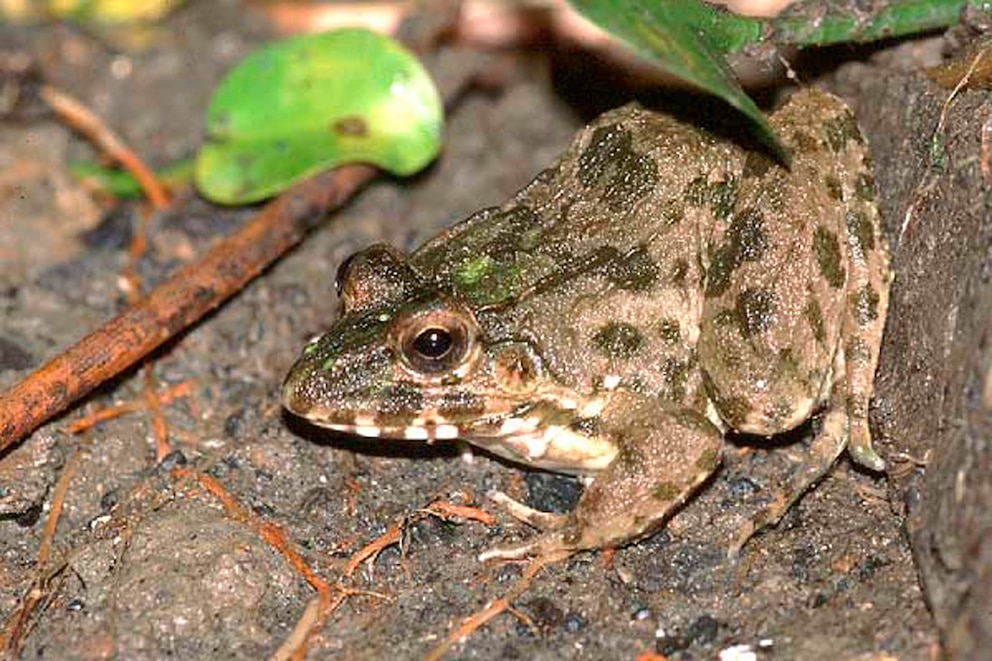
Our study published in Animals explores how the green anole (Anolis carolinensis) adjusts its skin color and reflectance in response to short-term temperature changes, offering fresh insights into how ectotherms adapt to their environment. Leer más.

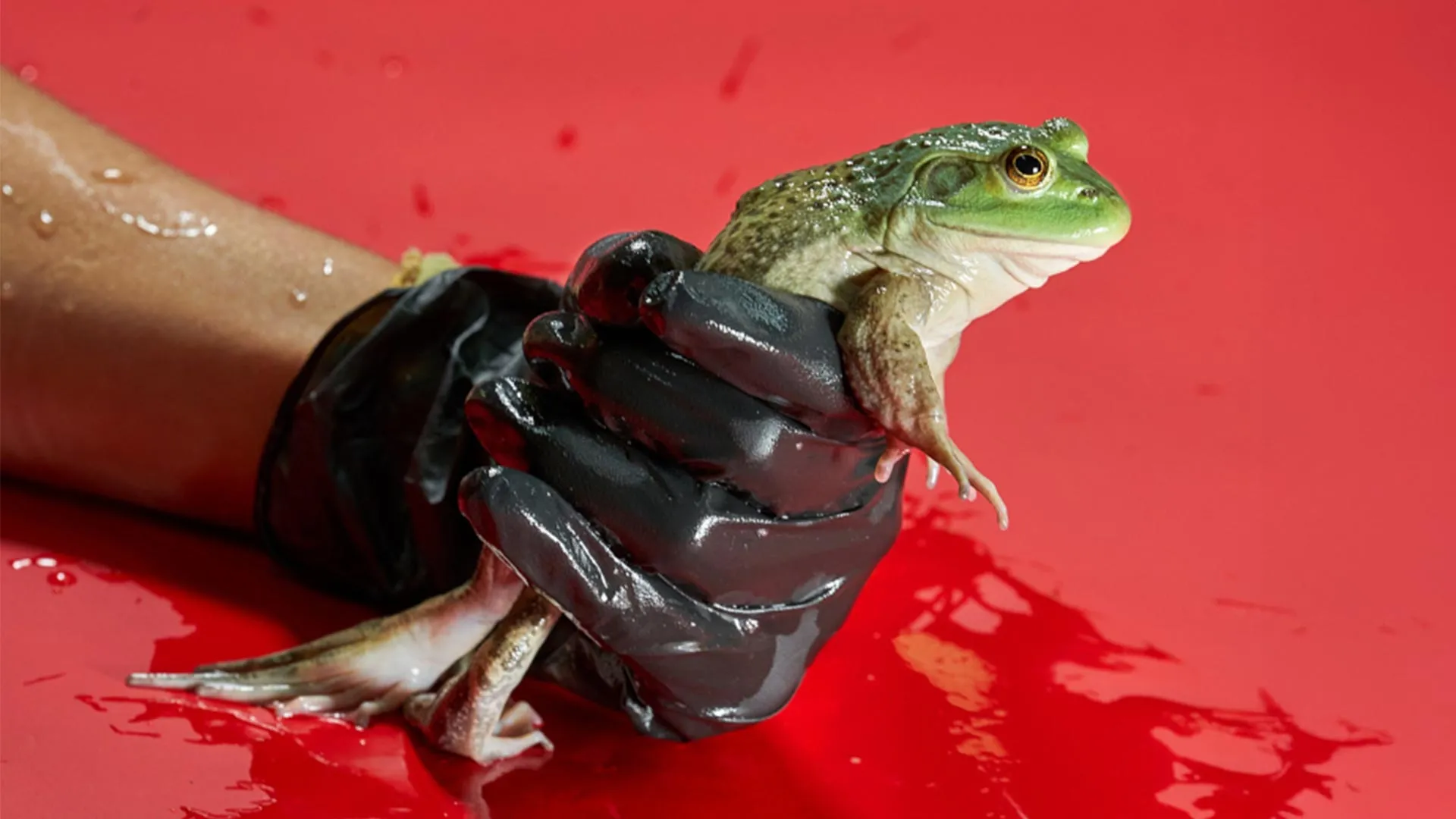
A deadly fungus that has wiped out hundreds of amphibian species worldwide may have started its global journey in Brazil. Genetic evidence and trade data suggest the fungus hitchhiked across the world via international frog meat markets. The findings raise urgent concerns about how wildlife trade can spread hidden biological threats. Leer más.