Schmidt, Benedikt R., Gabriela Gschwend, Jörg A. Bachmann and Philip Dermond. Amphibia-Reptilia. 36 (1): 87-92. We use removal sampling and hierarchical models to estimate the abundance of salamander (Salamandra salamandra) larvae in 15 first- and second-order streams. Leer más.





Albert Vilardell-Bartino; Xavier Capalleras; Joan Budó; Rafel Bosch and Pere Pons. Amphibia-Reptilia, Volume 36, Issue 1, pages 13 – 25. To avoid the possible extinction of the last native population of western Hermann’s tortoise in the Iberian Peninsula it is essential to make sound management decisions. Knowledge of macro and microhabitat use and home range size has considerable practical value for land managers. With this aim we first studied the home range and habitat preferences in western Hermann’s tortoises by radio tracking 15 adults weekly from March 2008 to May 2009 in three localities within the Albera population range (NE Iberian Peninsula). Leer más.
![]() |
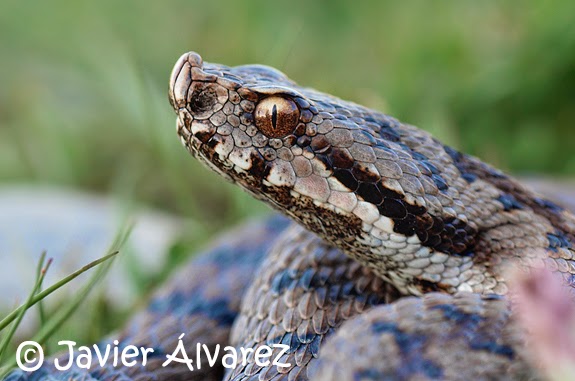
Estos días, han estado por aquí unos compañeros del Centro para la Investigación en Biodiversidad y Recursos Genéticos de Portugal (CIBIO). Fernando Martinez Freiría y Antonio sp. están recabando información para un estudio sobre «Integración de la variabilidad morfológica, genética y ambiental en estudios sobre biogeografía y predicciones de persistencia poblacional bajo el cambio climático para reptiles mediterráneos». Nosotros, que estamos encantados de colaborar con el trabajo de campo, nos decidimos a acompañarlos. Leer más. |
Biological invasions are a major conservation threat for biodiversity worldwide. Islands are particularly vulnerable to invasive species, especially Mediterranean islands which have suffered human pressure since ancient times. In the Balearic archipelago, reptiles represent an outstanding case with more alien than native species. Leer más.
It turns out sea turtles, even at a tender 6-18 months of age, are very active swimmers. They don’t just passively drift in ocean currents as researchers once thought. Leer más.
